Industry & Regulations
The news, rules, and regulation shaping OnlyFans and the wider creator economy.
OnlyFans is legal for adults in Croatia, but the earnings are taxable. Here is how to report them to the Porezna uprava (Croatian Tax Administration): as drugi dohodak (other income) or a paušalni obrt (flat-rate sole trade).

Is OnlyFans legal in the US? Yes, for adults. Here is how payouts, self-employment tax, 1099 forms, and quarterly estimated taxes work for US creators.

In 2026 OnlyFans' parent sold a stake to Architect Capital at a $3.15 billion valuation after its founder's death. Here is what the deal is and what it means for creators.
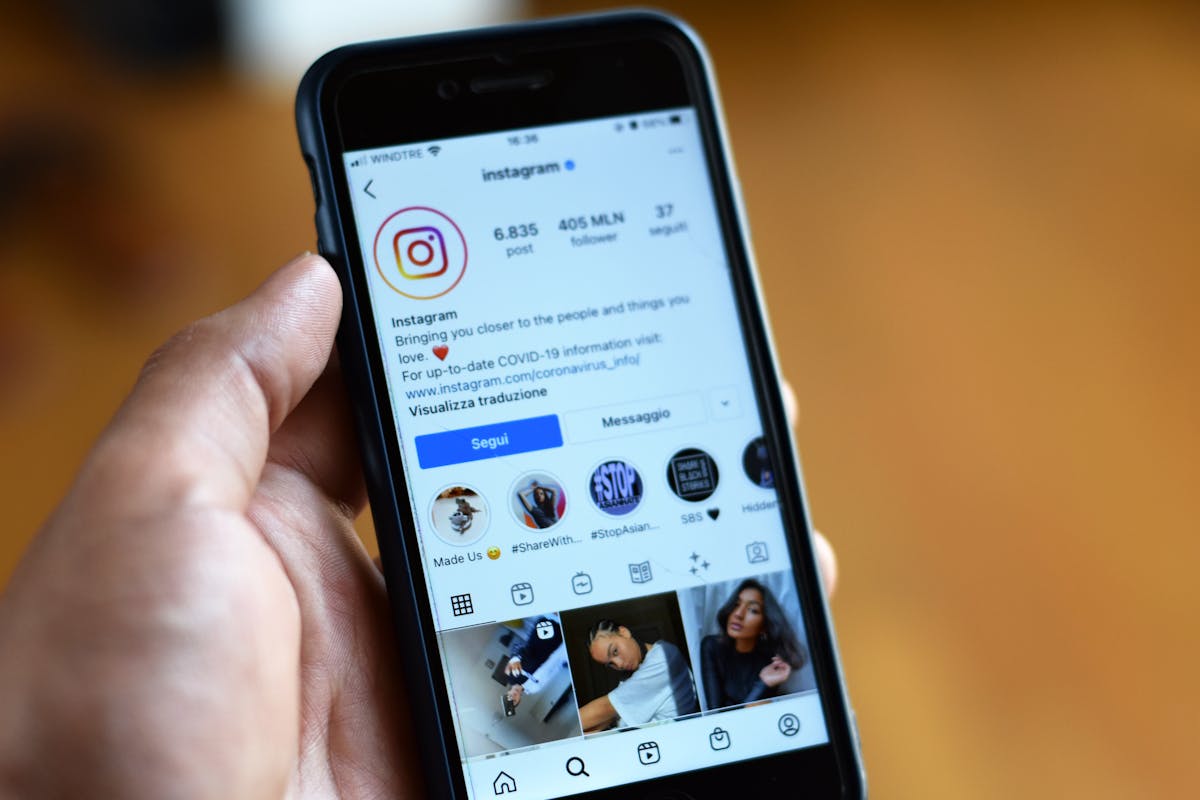
Instagram has removed waves of creator accounts in 2026. Here is what Instagram's head said is behind it, the broader Meta moderation purge, and how creators can protect their accounts.
In 2025 the US Supreme Court upheld state age-verification laws for adult sites. Here is what Free Speech Coalition v. Paxton means for OnlyFans creators in 2026.
The UK and EU are rolling out age-verification laws for adult platforms. Here is what the Online Safety Act and the EU's Digital Services Act mean for OnlyFans creators in 2026.

Can you do OnlyFans in the UK? Yes, it is legal for adults. Here is how payouts, HMRC self-assessment tax, the £1,000 allowance, and VAT work for UK creators.

Can you do OnlyFans in Canada? Yes, it is legal for adults. Here is how payouts, taxes (CRA self-employment, GST/HST), and getting started work for Canadian creators.

Can you do OnlyFans in Australia? Yes, it is legal for adults. Here is how payouts, ATO tax, getting an ABN, and the $75,000 GST threshold work for Aussie creators.
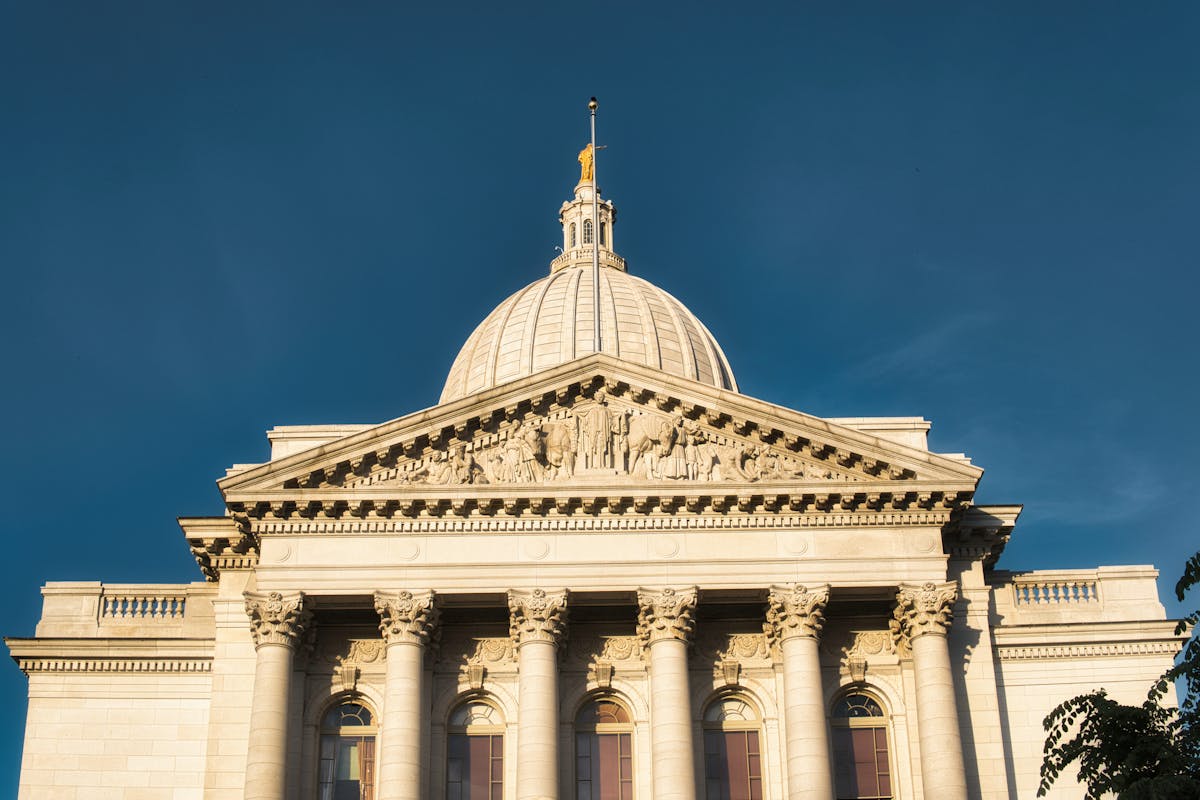
A Florida candidate proposed a 50% sin tax on OnlyFans creators, and top earner Sophie Rain pushed back. Here is what was proposed, the reaction, and what it means for creators.
A clear, current guide to OnlyFans' content rules: what is allowed, what is strictly banned, the 2026 AI and deepfake updates, and how creators stay compliant.